

Introduction: Why the Right Climbing Pack Matters
Every climb is a balance: you bring what you need, but every extra ounce counts. Whether you’re approaching a crag, linking multi-pitch routes, or heading into alpine terrain, your climbing packs should minimize interference and maximize utility. A well-designed, ultralight climbing bag lets you move cleaner, carry smarter, and focus on the rock—not your gear.
In this guide, we’ll break down what matters most in climbing packs (sport, trad, alpine), explore the ideal materials and design features, review examples to benchmark against, and share packing strategies for route success.
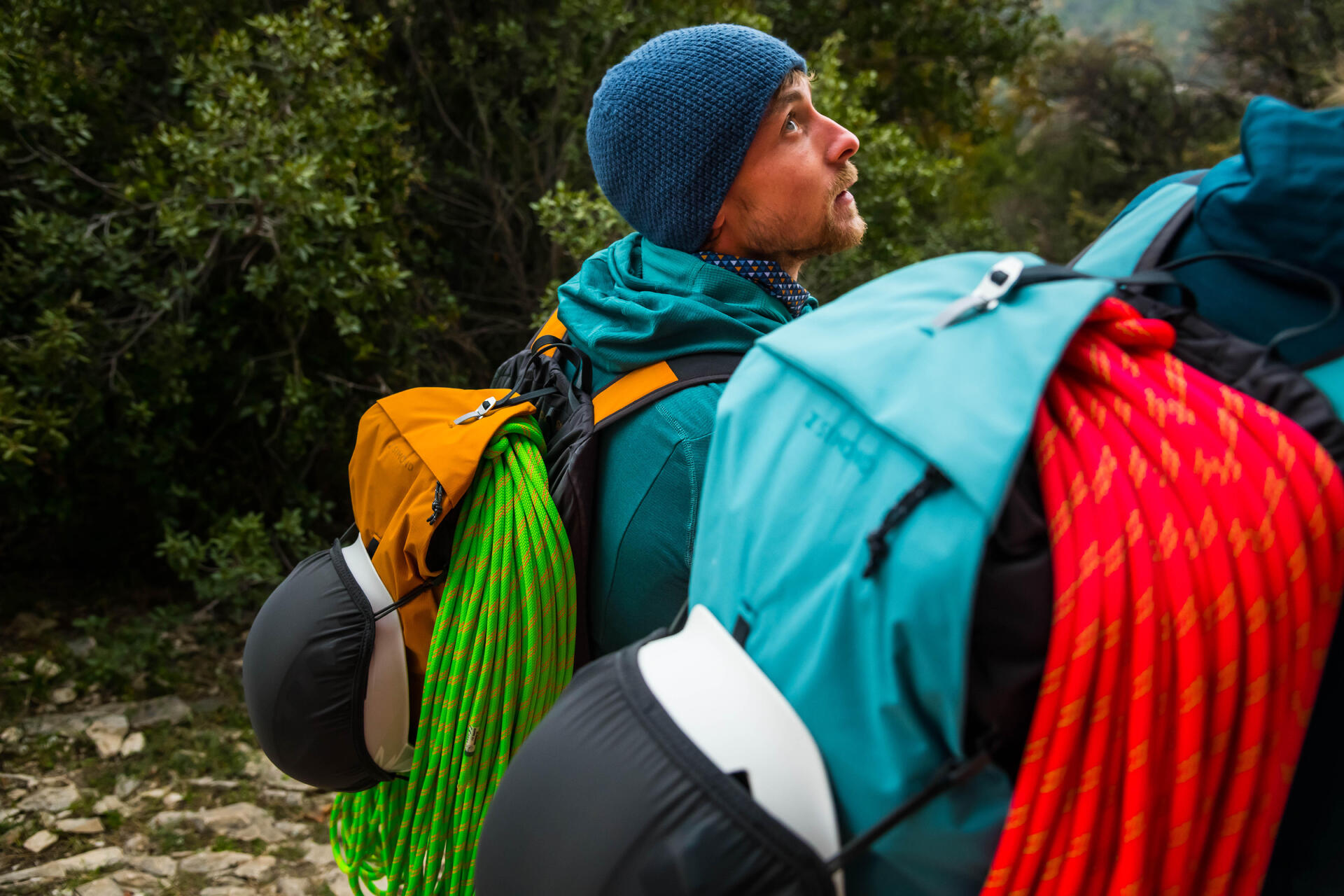
What Climbing Packs Need That Hiking Packs Don’t (H2)
Climbing imposes additional demands beyond standard hiking:
-
Abrasion and point loading resistance. Scrapes against rock edges, sharp draws, or fixed gear are common.
-
Attachment flexibility. Gear loops, haul loops, ice axe or ice tool attachments, rope lash points.
-
Stability while moving vertically. The pack must stay close during cracks, overhangs, and transition moves.
-
Ease of loading/unloading under tension. You often manage gear on the wall, at belays, or when clipped to anchors.
-
Minimal interference. Straps, external loops, or bulky features can snag or get in the way.
A climbing-oriented pack trades some “just-in-case” features for focus, strength, and efficiency.
Design & Material Criteria for Ultralight Climbing Packs (H2)
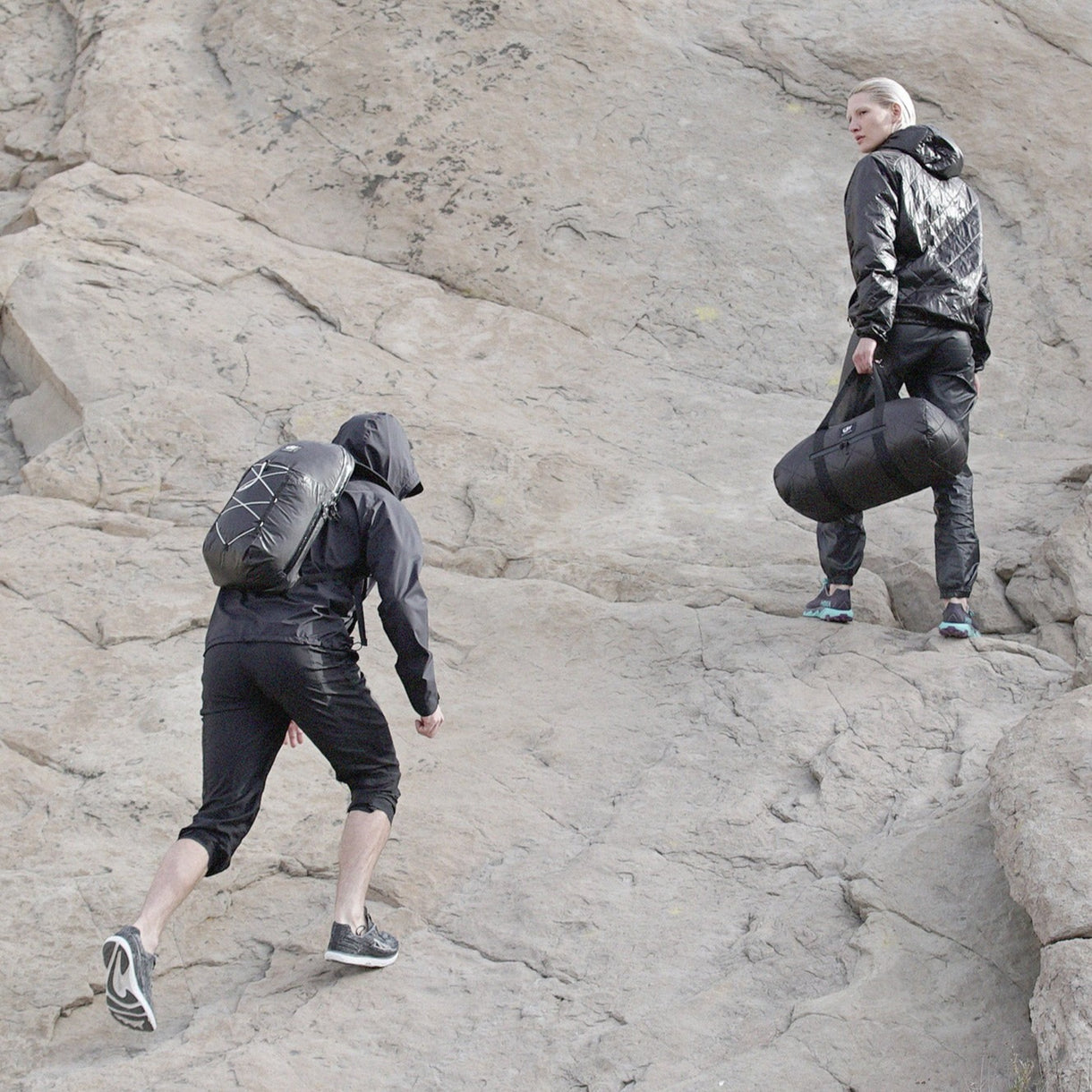
Below are features and design choices to prioritize (and to understand trade-offs).
H3: Shell & Fabric Selection
-
High-tenacity ripstop nylon or composite laminates offer abrasion resistance at lower weights.
-
Reinforced panels or overlays in high-wear zones (bottom, corners, rope overhang areas).
-
Water-resistant coatings or membranes if you expect alpine or mixed-weather climbs.
-
Quiet, low-crinkle fabrics are beneficial in stealthy alpine or winter conditions.
H3: Attachment & Carry Systems
-
Gear loops and haul loops that are well anchored—so loaded racks or nut kits don’t pull off.
-
Ice/axe holders (metal or strong webbing) for alpine climbs.
-
Rope lash shoulders or top straps that allow your rope to ride cleanly, without hitting your head or flapping.
-
Compression and stabilization straps to control load movement as you climb or scramble.
H3: Access & Loading
-
Top-loading designs generally remain secure, but clamshell or side-zip access can help you find gear mid-route.
-
Large mouths or wide-open panels ensure you can see gear easily—especially helpful at belays.
-
Interior dividers or sleeves to segment quickdraws, slings, cams, or anchors.
H3: Support & Comfort Under Load
-
Minimal frame or stay systems can provide structure without excess bulk. Removable stays are ideal for flexibility.
-
Load transfer via padded hipbelt or effective load-lifters—especially in approaches or extended hikes.
-
Narrow, contoured shoulder straps that allow cross-body moves, chimneying, or stemming without pinching.
H3: Weight Efficiency vs Durability
-
Aim for the lightest pack that still meets demands—lighter isn’t always better if durability fails.
-
Trade features like extra pockets or heavy hardware only where truly beneficial.
-
Recognize that durability enhancements (reinforcements, better zippers) often justify a small weight premium.
Real-World Examples & Comparisons (H2)
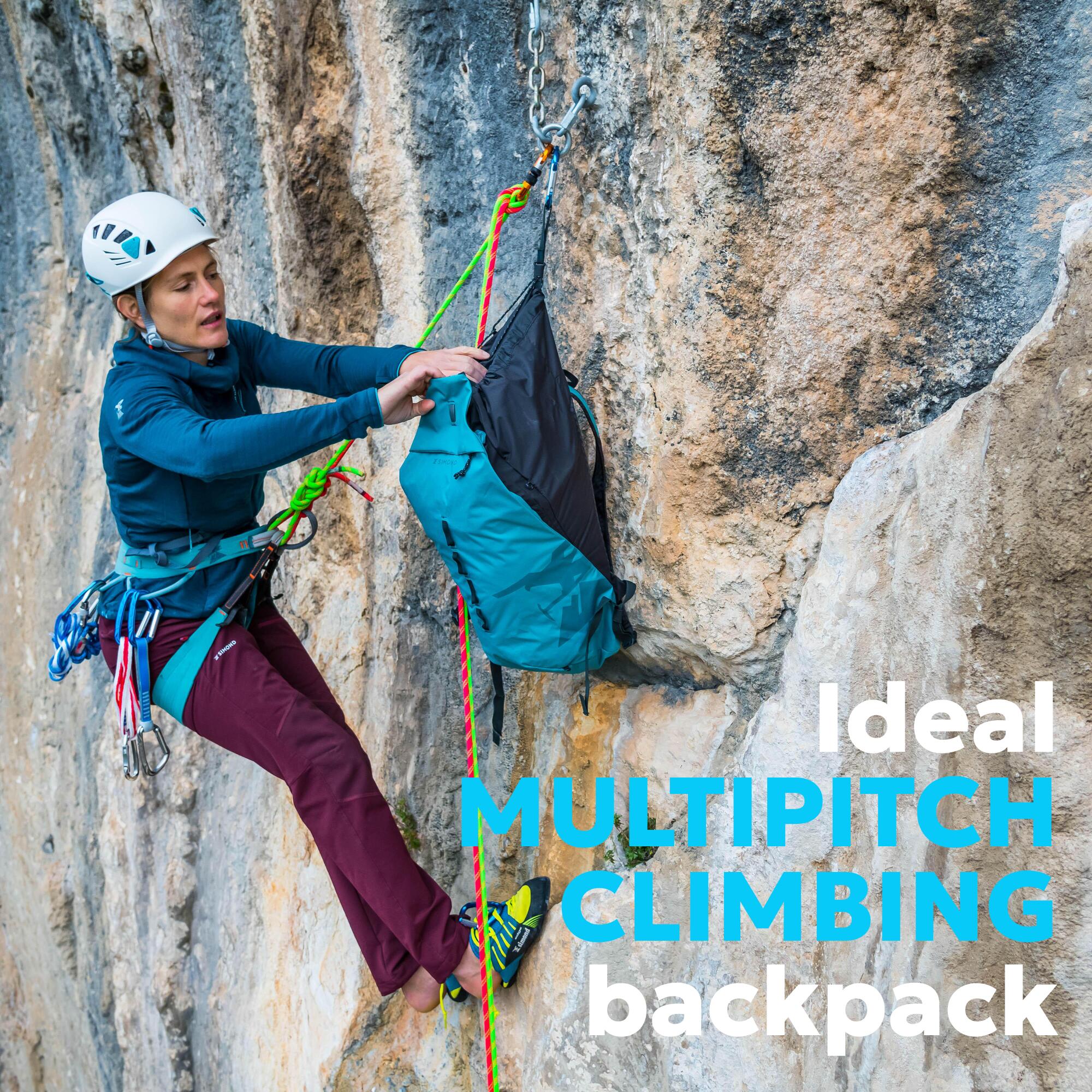
Examining existing packs helps ground these design principles.
-
Black Diamond Rock Blitz 15: A compact pack praised for simplicity and ruggedness. (OutGearLab review) Outdoor Gear Lab
-
Mountain Hardwear Alpine Light 35: A go-to for multi-pitch: alpine-rated, durable ripstop shell, removable frame/foam, side zips, and clean attachments. Switchback Travel
-
Osprey Mutant 38: Built with climbing in mind—includes tool locks, rope carry, water resistance, and modular parts. BASE Magazine
These serve as useful benchmarks. Your own pack may not have every feature—but knowing what they offer helps prioritize what you need.
Matching a Pack to Climbing Styles (H2)
Different climbs demand different pack traits. Use this as a quick guide:
| Climbing Context | Ideal Capacities & Features | What You Can Sacrifice |
|---|---|---|
| Sport crag / single-pitch | 10–20 L, simple shell, gear loops, minimal frame, light webbing | Heavy hip belts, large pockets, alpine features |
| Trad / multi-pitch | 20–30 L, rope carry, modular gear loops, better support, more structured shell | Unnecessary bulk, redundant features |
| Alpine / mixed climb | 25–40 L, ice tool carry, waterproofing, frame or stay structure, good stability | Oversized compartments, cosmetic extras |
Packing & Usage Tips (H2)
-
Pre-sort gear modules. Use small utility pouches or gear wallets to compartmentalize cams, nuts, slings.
-
Load bottom-up. Place heavier protection (cams, nuts) low; lighter slings or clothing above to minimize torque.
-
Secure dangling gear. Clip draws or slings when not in use to avoid bounce or snagging.
-
Rope versus gear balance. Make sure your rope carry (external lash or coil) doesn’t foul harness gear or movement.
-
Practice transitions. Practice racking or reorganizing at belays so your pack layout supports speed and clarity.
Some climbers on forums emphasize pack choice heavily:
“For multipitch under 5 pitches … you really don’t need to bring a bag up with you … but for longer approaches, a light pack with modular features wins.” Reddit
Key Takeaways
-
Climbing packs have unique demands beyond hiking packs: abrasion, attachment, vertical motion, access.
-
A good ultralight climbing pack balances weight with structure, support, smart layout, and durability.
-
Match your pack to your climbing style (sport, trad, alpine) to avoid over- or under-spec’ing.
-
Use modular gear organization, smart loading, and strong attachments to make your system efficient.
-
Use benchmarks (BD Rock Blitz, Alpine Light, Mutant) as references as you choose or design your pack.
Ready to carry less and climb stronger? Explore GBY Ultra’s lightweight gear philosophy and tools—and choose a pack that enhances your movement rather than weighing you down.


