

The Modern Gear Shift: From Heavy to Ultralight
Every traveler or commuter knows the struggle — heavy packs that dig into your shoulders, zippers that strain, and designs that prioritize size over sense. The rise of ultralight gear challenges that tradition. Today, efficiency isn’t just a preference — it’s a way of life.
Whether you’re hiking, commuting, or living a hybrid lifestyle, choosing the right pack is about more than capacity. It’s about performance, mobility, and endurance. In this guide, we compare ultralight vs. traditional backpacks — breaking down key differences to help you carry smarter, not harder.
Weight: The First and Most Noticeable Difference
Weight defines your entire carry experience.
-
Traditional Backpacks: Often weigh between 1.5–3 kg empty due to dense fabrics, metal frames, and bulky padding.
-
Ultralight Backpacks: Typically under 1 kg, thanks to high-performance materials like ripstop nylon and X-Pac.
Lighter gear means:
✅ Less fatigue over long distances
✅ Easier maneuverability in tight urban spaces
✅ More energy for what truly matters — the experience
Explore GBY Ultra’s Laptop Day Pack — engineered for daily agility with a featherlight yet structured frame.
Durability: Where Innovation Shines
It’s easy to assume “lighter” means “weaker.” But that couldn’t be further from the truth.
Ultralight materials are designed for strength-to-weight optimization, not fragility.
-
Traditional bags: Use thick polyester blends that resist tears but add unnecessary mass.
-
Ultralight gear: Utilizes technical laminates and ballistic weaves for high tensile strength without the bulk.
Fabrics that Matter:
-
Ripstop Nylon: Reinforced threads prevent tears from spreading.
-
X-Pac Laminate: Combines waterproofing with high abrasion resistance.
-
Cordura Nylon: Durable yet lightweight, ideal for rugged outdoor use.
Check out GBY Ultra’s Utility Pouch for a real-world example of functional, lasting materials.
Functionality and Flexibility
Traditional packs often emphasize storage over usability — countless compartments, zippers, and unused pockets. Ultralight design, in contrast, celebrates efficiency.
Key differences:
| Feature | Traditional Bags | Ultralight Bags |
|---|---|---|
| Compartments | Many, often redundant | Fewer, purpose-driven |
| Structure | Rigid and bulky | Flexible yet supportive |
| Use Case | Single-purpose | Multi-environment adaptable |
For commuters and digital nomads, this minimalist approach enhances both workflow and lifestyle mobility.
Comfort: Less Weight, Less Strain
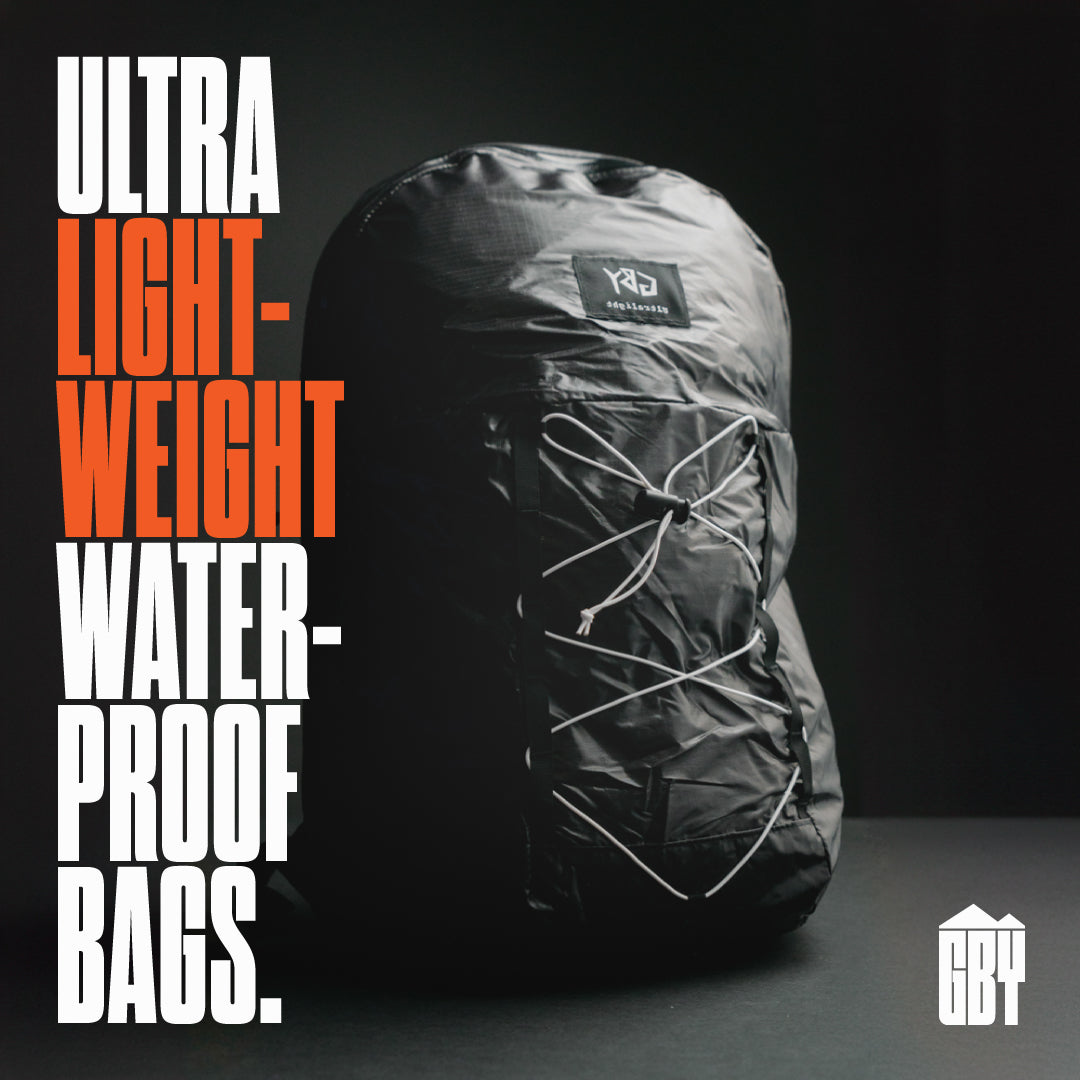
The biggest reason people switch? Comfort.
Ultralight bags reduce shoulder and back strain through:
-
Ergonomic strap design
-
Breathable back panels
-
Even weight distribution
That means your commute, hike, or flight feels less like work and more like freedom.
Sustainability Through Longevity

Less material doesn’t mean less impact — it means less waste.
By focusing on durability and modular design, ultralight packs last longer, reducing environmental turnover. Traditional bags often wear down faster under weight stress, leading to early replacement.
Choosing a long-lasting ultralight design supports sustainable consumption — a small decision with a global effect.
For more insight into sustainable design, see Carryology’s gear philosophy.
When to Choose Each Type
While ultralight design dominates for mobility and efficiency, there’s still a place for traditional builds:
-
Choose ultralight for commuting, travel, hiking, or daily carry.
-
Choose traditional for hauling specialized or heavy-duty gear.
For most modern users — especially those living hybrid lives — ultralight wins in both comfort and versatility.
Key Takeaways
-
Ultralight bags redefine travel and work efficiency.
-
They combine durability, smart design, and comfort in one seamless experience.
-
GBY Ultra’s minimalist range merges technical materials with timeless aesthetics.
Ready to Experience the Freedom of Ultralight?
Ditch the unnecessary weight — and upgrade to functional simplicity.
Explore GBY Ultra’s full collection and discover the gear built for motion, not excess.


