

Introduction: Why Less Is More
Every gram matters. But minimalism isn’t about deprivation—it’s about clarity, purpose, and empowered movement. Whether you’re commuting in the city, hopping between co-working spaces, or planning a weekend escape, a minimalist gear philosophy gives you more freedom by carrying only what truly matters. Ultralight bags aren’t just lighter—they simplify decisions, reduce strain, and let you move with intention.
This post explores the mindset behind minimalist packing, what to expect from ultralight gear, and crucial design principles to look for when choosing your next bag.

The Philosophy of Minimalist Packing (H2)
Minimalist packing is a discipline of subtraction, not addition. It’s about:
-
Prioritizing utility: every item should serve a purpose.
-
Reducing redundancy: each piece should ideally play more than one role.
-
Rejecting “just in case” loads: trust flexibility and repair over bulk.
-
Embracing constraints: a smaller bag forces better decisions and smarter gear selection.
This approach aligns naturally with the ultralight movement, where less weight equals more mobility, comfort, and enjoyment.
Benefits of Adopting Minimalist Gear (H2)
| Benefit | Why It Matters |
|---|---|
| Easier transitions | From office to airport to trail without switching bags |
| Physical comfort | Less load = less fatigue on shoulders, back, and joints |
| Mental clarity | Fewer items, less decision paralysis, cleaner packing rituals |
| Longevity & care | Carefully chosen gear tends to last longer and receives better care |
In fact, GBY Ultra itself frames this philosophy in “The Ultimate Guide to Going Ultralight”, where they highlight how shedding unnecessary bulk unlocks freedom. GBY Ultralight
What to Look for in Truly Minimalist / Ultralight Gear (H2)
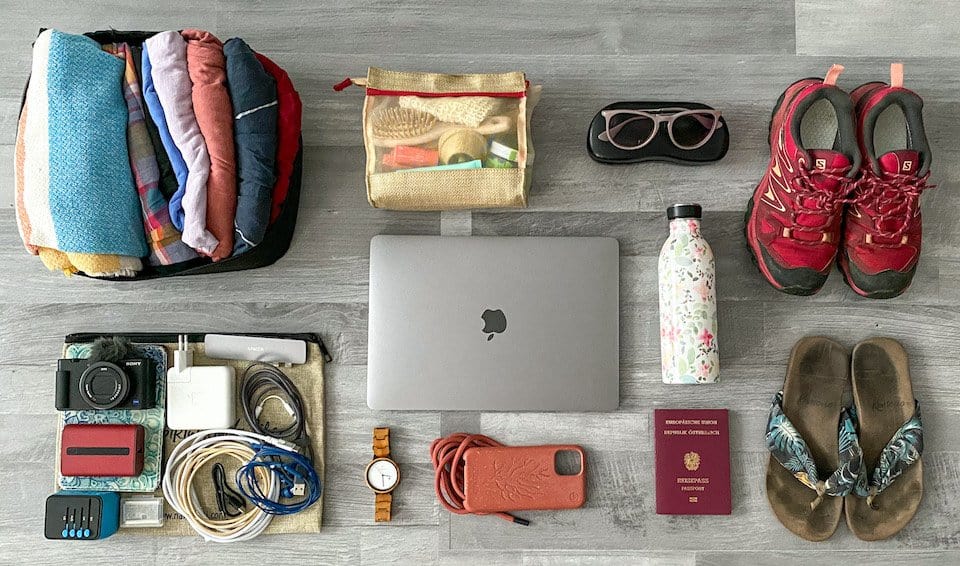
To support the philosophy, your gear must follow functional constraints. Here’s what to prioritize:
H3: Material Matters More Than You Think
-
Choose fabrics with high strength-to-weight ratios (e.g. Japanese waterproof nylons, advanced ripstop, composite weaves).
-
Select water-resistant or waterproof finishes so your minimal gear doesn’t need extra protection.
-
Reinforce high-stress zones (corners, bottom, strap attachments) to prevent tears when loads shift or you bump into surfaces.
H3: Minimal, Smart Organization
-
Favor one or two compartments to reduce unused pockets.
-
Use internal sleeves or mesh pockets for small items (USB, pens).
-
Let external quick-access pockets exist—but only where they serve real utility.
-
Modular inserts or utility pouches help you reconfigure layouts without bulk.
H3: Streamlined Carry Systems
-
Straps should be lightweight but comfortable—shape retention matters more than thick padding in many minimalist designs.
-
Sternum or stabilizer straps should be optional or integrated unobtrusively.
-
The bag should flatten or compress when lightly loaded—avoid bulky internal frames unless removable.
H3: Weight-to-Utility Metrics
-
A well-designed ultralight bag’s empty weight must leave space for your “payload” (clothing, devices, essentials) without pushing the bag over ideal weight thresholds.
-
Every feature you add (hardware, padding, reinforcements) must justify its weight in durability or utility.
How GBY Ultra Embodies This Philosophy (H2)
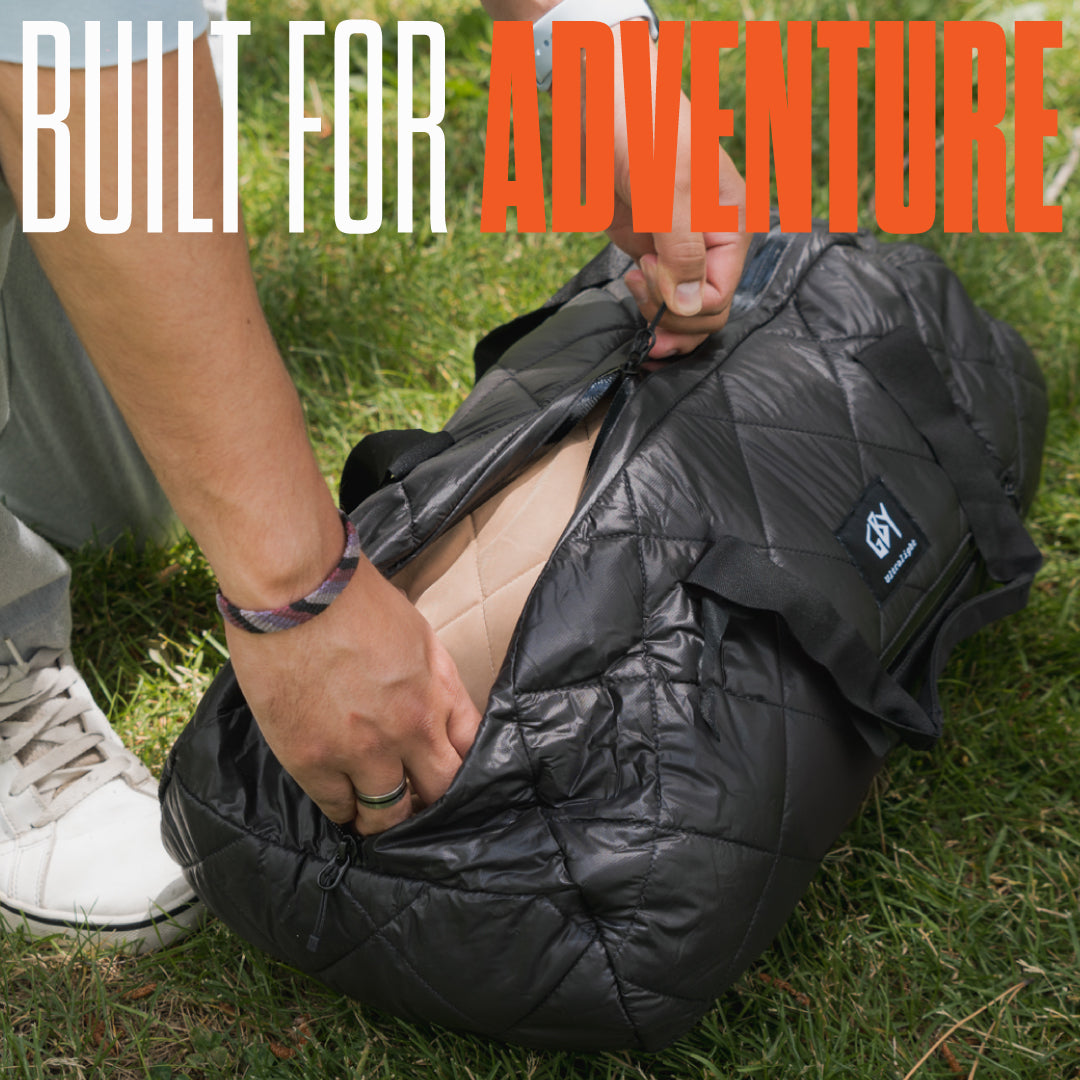
One standout in the GBY Ultra line is the Ultralight Laptop Day Pack. According to reviews, it weighs only 12.8 oz (363 g) while still delivering protective qualities. Backpackies It balances minimalism and functionality: padded laptop sleeve, internal slip pocket, a weatherproof side zip, and a durable shell built for daily carry.
A Reddit user shared their experience:
“I’m an ultralight backpacker … I switched to the 20 L GBY pack … It inspires me to pack more minimally … durability TBD, but it looks and feels extremely well made.” Reddit
That feedback captures the mindset: lighter load, fewer regrets, more intention.
GBY’s materials choices—like their use of SS2-Ultra waterproof fabrics—and clean design ethos are consistent with minimalist ideals. GBY Ultralight+1
Practical Tips to Live the Minimalist Gear Lifestyle (H2)
Here are actionable steps to get started (or refine your system):
-
Audit ruthlessly. Lay out every item you carry, ask: “Did I use that last time?”
-
Use modular pouches. Keep small gear in a detachable pouch that fits into any bag.
-
Commit to dual-use gear. E.g. clothing, tools, or tech that serve more than one function.
-
Wear bulkier pieces. Jackets, shoes, or heavier items get worn or carried externally on transit days.
-
Practice mock packing. Test your setup pre-trip. Remove one more item and see if you truly miss it.
-
Maintain gear. Clean coatings, check seams, repair early to prevent small damage scaling into failure.
Minimalism is a practice as much as a system.
External Perspectives on Minimalist Travel & Gear (H2)
-
Travel thought leaders often cite minimalist packing as a path to freedom—remembering life’s experiences rather than baggage.
-
Gear review sites (like SkyesToury or broader “best ultralight gear for 2025” roundups) confirm that weight savings often lead to better travel satisfaction. Skye Stoury
-
Among ultralight hiking and backpacking communities, debates over base weight continuously challenge: “Do I really need this extra gadget or layer?” Reddit
Key Takeaways
-
Minimalist packing isn’t deprivation—it’s intention. You carry what matters, nothing extra.
-
Materials, organization, carrying systems, and weight decisions shape how well your bag supports freedom.
-
The GBY Ultralight Laptop Day Pack is a real-world exemplar: light, protective, clean design.
-
Use regular audits, modular systems, and mindful habits to live your minimal carry philosophy.
-
With the right gear and mindset, less weight becomes more life.
Ready to carry with clarity, freedom, and purpose? Explore the GBY Ultra collection and step into gear designed not just to be light—but to live with you in motion.


