

Introduction: The Power of “Small” in Travel Gear
In ultralight travel and urban carry, big packs get all the attention. But the real magic often lives in the nooks—the small compartments, the little pouches that tame clutter and make essentials instantly accessible. A small utility pouch (often called an organizer pouch) is one of the most underrated upgrades you can add—and it costs nearly nothing in weight.
Whether you’re commuting, digital nomading, weekend hiking, or packing light for a trip, a compact organizer pouch helps you carry smarter, not heavier. In this article, we’ll break down the benefits, design criteria, packing tactics, and examples so you can choose one that truly elevates your carry.
Why a Small Utility Pouch Belongs in Your Kit (H2)
-
Order in chaos. Keep cables, adapters, pens, first aid, toiletries, or small tools together—not loose across the main bag.
-
Modular flexibility. Move the pouch between bags or remove it entirely when not needed.
-
Weight discipline. Because it’s compact, you’re forced to limit it to essentials only.
-
Speed in access. You open one small pouch instead of rifling through your main bag.
-
Protection & buffer. Acts as a soft buffer between sharp or heavy small items and your bag’s shell.
GBY Ultra’s Utility Bags: EDC Organization Guide discusses how using a small utility pouch is central to an intentional carry system. GBY Ultralight
What to Look for in a Smart Organizer Pouch (H2)
Below is a checklist of features and trade-offs to evaluate.
H3: Weight vs Durability Balance
-
Lightweight shell fabrics (e.g. ripstop nylon, quilted micro-ripstop)
-
Reinforcements at corners, edges, zipper ends
-
Minimal internal stiffeners; rely on structure from the pouch form
H3: Smart Layout & Organization
-
Mesh pockets, elastic loops, or modular dividers
-
Internal vs external pockets—both have their purposes
-
“Pouches within pouches” strategy to isolate sub-kits (e.g. charging, first aid) GBY Ultralight
H3: Access & Zipper Design
-
Wide or clamshell opening for visibility
-
Smooth zippers, ideally water-resistant or quality branded ones
-
Pull tabs or end loops for easier handling
H3: Carry & Attachment Options
-
End loops or D-rings to clip to a backpack or belt
-
Slim profile so the pouch doesn’t bulge when clipped
-
Attachment flexibility: molle, lash points, or minimalist webbing
H3: Aesthetic & Integration
-
Color and minimal branding that complement your main carry
-
Clean finishes, minimal bulk in seams
-
Compatibility with your bag ecosystem (fits inside main bag or clips outside)
How to Use an Organizer Pouch Effectively (H2)

Here are strategies to get the most out of your small utility pouch.
Packing Strategy & Priority
-
Start with a “must-have” list: charging cable, compact power bank, phone, pen, keys
-
Add “optional but desirable” items only if space remains
-
Use modular sub-pouches so you can swap or reconfigure quickly
-
Reserve the main bag space for larger items; pouch is your “inner brain”
Placement & Habit
-
Insert the pouch in a consistent location within your primary bag
-
Or, clip it externally (if your bag supports it) for quick grab access
-
Always return items to the pouch immediately after use to maintain order
Maintenance & Inspection
-
Check zippers, seams, internal dividers occasionally
-
Clean grit or residue—small stuff damages fabric and friction over time
-
Rotate usage among pouches (if you have more than one) to reduce wear concentration
Integrating with GBY Ultra’s Gear & Philosophy (H2)
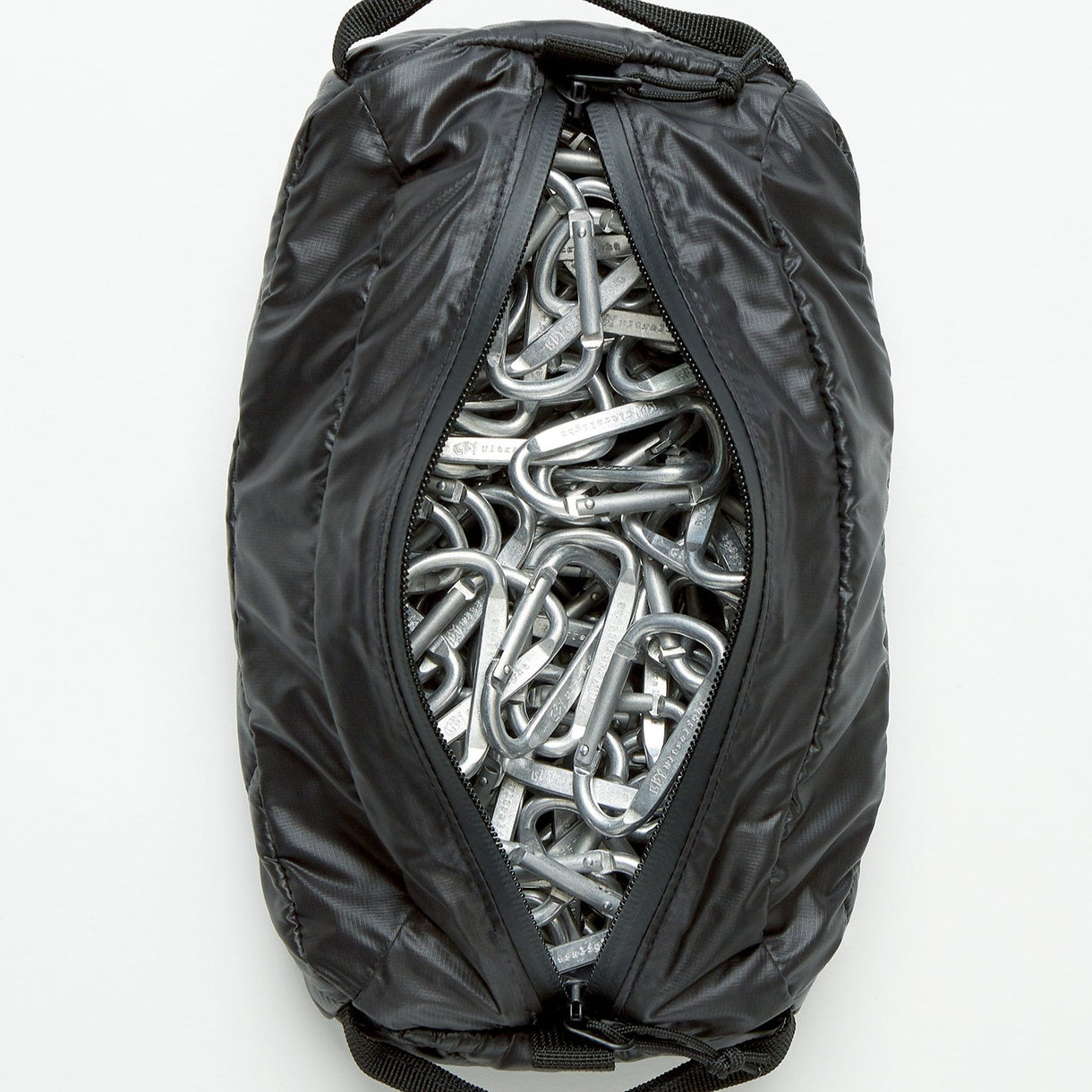
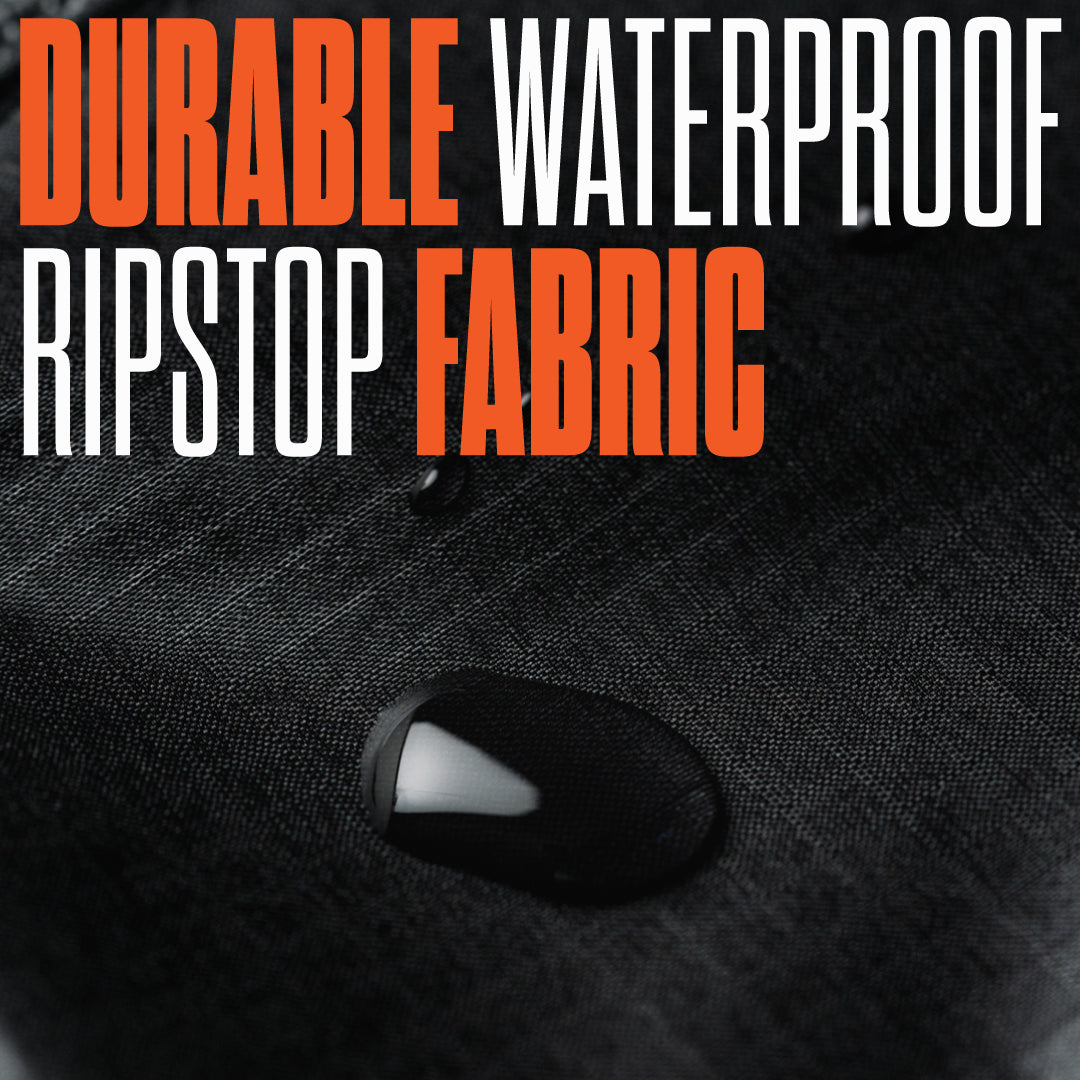
GBY Ultra offers an Ultralight Utility Pouch (2.5 L), designed to pair with their laptop packs, cross-body bags, or duffels. GBY Ultralight Its quilted micro-ripstop Japanese nylon shell, water-resistant zippers, and end loops reflect the thoughtful balance of minimalism and utility.
Using a small organizer pouch in conjunction with GBY’s main bags helps the whole system become modular, lightweight, and more organized—exactly the philosophy GBY embraces in their content and product design.
Key Takeaways
-
A small utility pouch is a potent tool in your ultralight system: minimizes clutter, enables modularity, and speeds access.
-
In choosing one, prioritize layout, reinforcement, zipper quality, and attachment versatility.
-
Test a few models (like the ones above) to see what fits your gear habits best.
-
Use consistent packing, modular inserts, and good maintenance to get years of service.
-
Pair your pouch with a lightweight main bag (e.g. from GBY Ultra) for a carry system that’s both sleek and functional.
Ready to bring order to your carry? Explore GBY Ultra’s Utility Bags and discover organizer pouches designed for real movement, style, and efficiency.


