

Introduction: Why Innovation Matters Now
In the ultralight world, shaving off a few grams once meant radical design decisions. Today, we’ve moved past simple weight reduction into a phase of smarter, more resilient, and more adaptive gear. The next frontier isn’t just lighter—it’s better. As more people combine commuting, travel, and adventure, travel gear trends in ultralight bag design are evolving toward hybrid functionality, transformative materials, and smart integration.
In this post, we’ll survey emerging trends in ultralight innovation, highlight real fabric breakthroughs, and suggest what to look for in future bags—so when your next carry changes, you’re ahead of the curve.
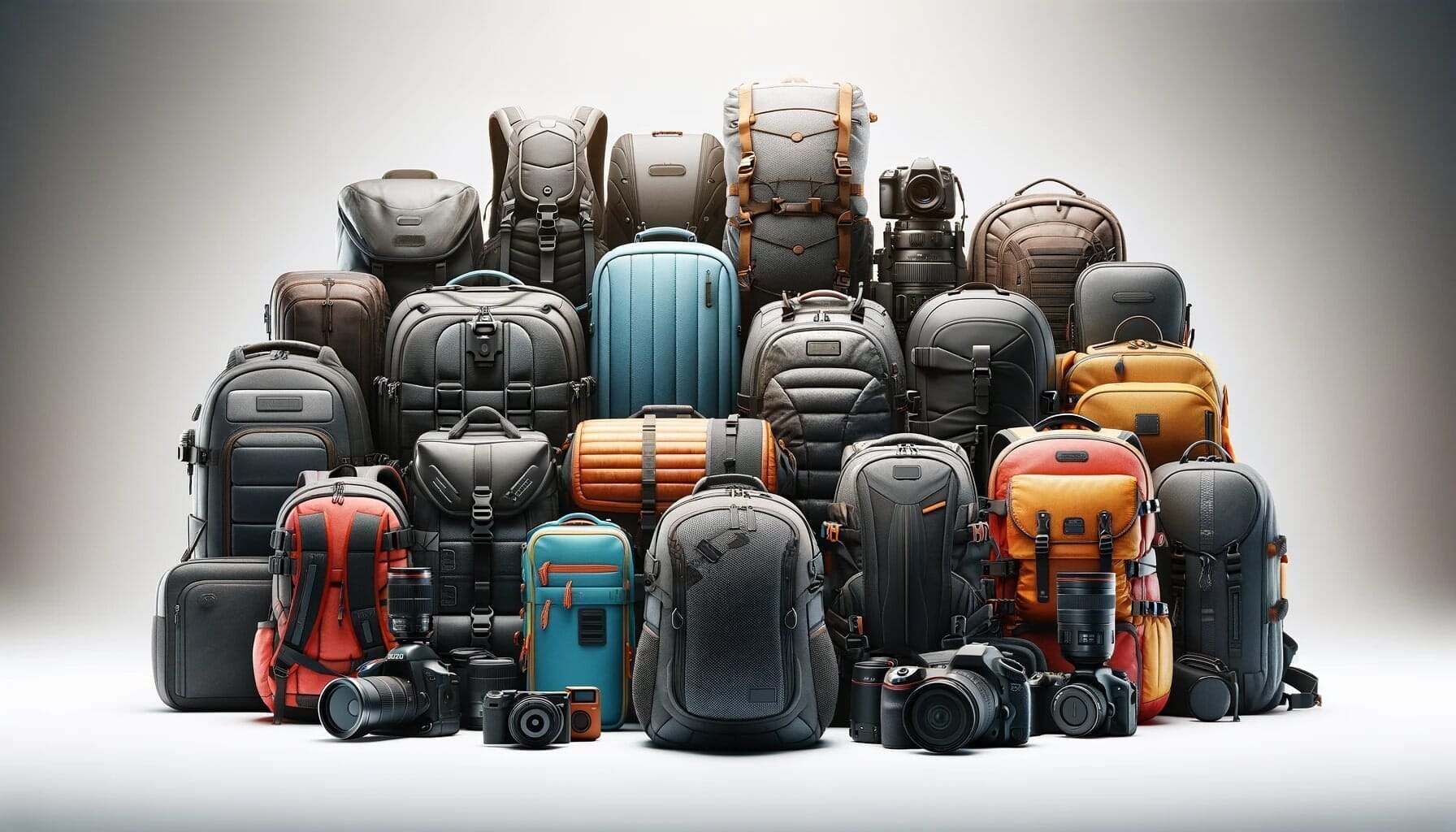
The Shifting Horizon: From Light to Smarter (H2)
Many gear observers argue that the low-hanging fruit of weight reduction is largely harvested. The next era of ultralight bags will emphasize:
-
Durability over marginal weight savings
-
Utility and modularity
-
Comfort and adaptability in real-life use
-
Material innovations with longer life cycles
As one recent analysis puts it:
“Ultralight Gear is getting substantially better, not substantially lighter.” Garage Grown Gear
Let’s explore the trends driving that “better” definition.
Trend 1: New Fabrics & Composite Innovation (H2)
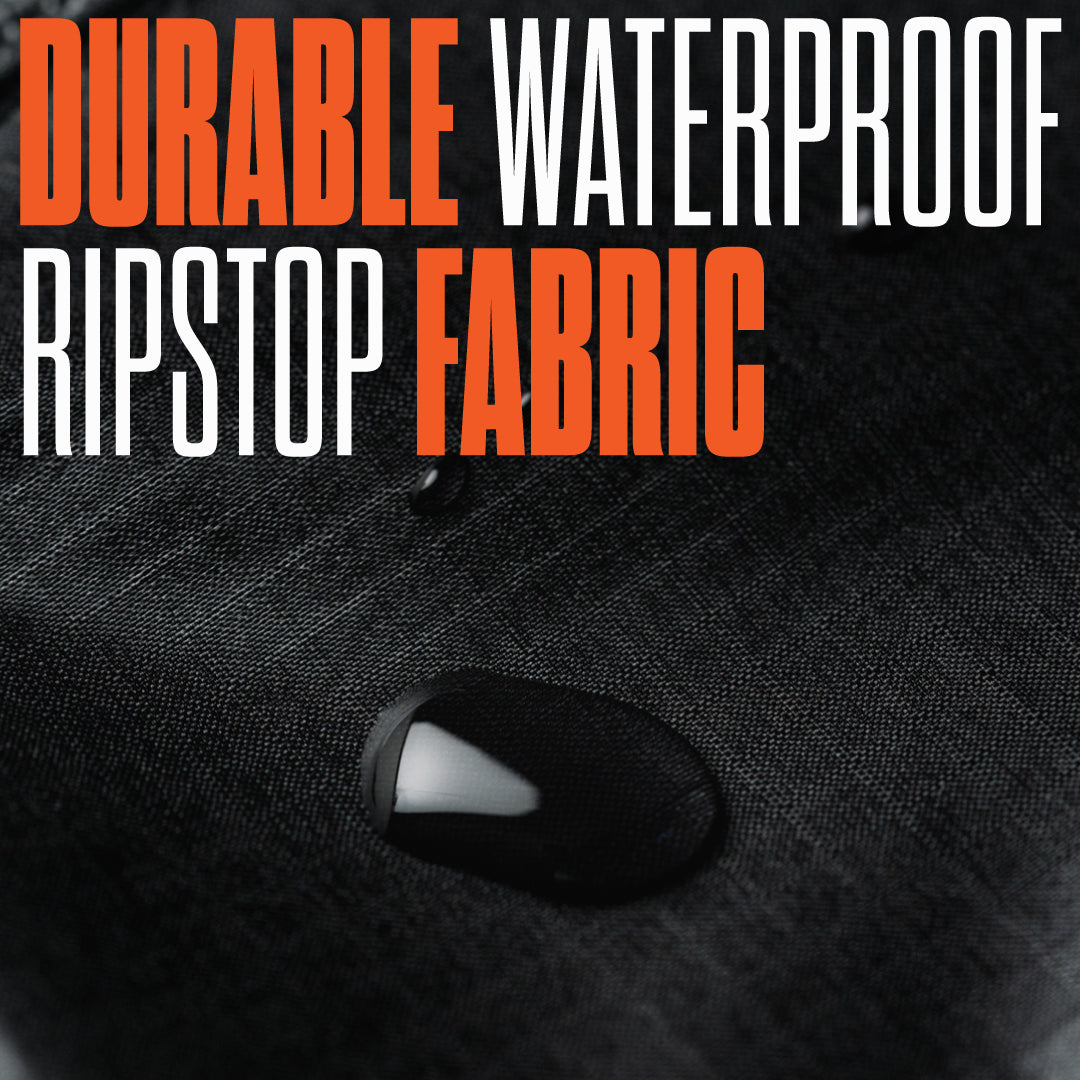
Graflyte & Next-Gen UHMWPE Hybrids
One of the most exciting developments is Graflyte™, created by ALUULA. Unlike many fabric laminates, Graflyte skips adhesive layers and non-UHMWPE backers, producing a self-bonded composite that’s lighter, stronger, and more UV-resilient. Garage Grown Gear
Backpacker magazine highlights that Graflyte competes directly with established favorites like Ultra, potentially shifting what’s possible in ultralight bags. Backpacker
Dyneema Woven Composite & Enhanced Laminates
Dyneema (formerly known as Cuben Fiber / DCF) has long been a benchmark for strength-to-weight in ultralight gear. The latest breakthrough—Dyneema Woven Composite—melds a woven face with traditional composite structure, delivering:
-
34% less weight
-
10× abrasion resistance
-
5× tear resistance
-
Lower “crinkle” sound in use WIRED
As designers adopt these updates, future bags will be lighter yet tougher—able to endure rock scrapes and urban abrasion equally.
Trend 2: Hybrid Structure & Modularity (H2)
As weight edges toward theoretical minimums, design flexibility becomes the differentiator.
Removable/Adaptive Frame Systems
Instead of fully rigid frames, future packs are likely to adopt partial, removable, or even morphing stay systems. These adapt between load demands and collapse when not required—perfect for hybrid urban/trail use.
Vestpacks & Integrated Harness Systems
2024 saw a rise in vestpacks—modular carry systems that blend torso-worn storage with classic packs. These respond well to ultrarunner, fastpacker, and hybrid users seeking high efficiency in minimal form. Adventure Alan
Imagine a bag that slides off your back and becomes a waist-worn storage vest—no gear switching.
Shape-Shifting Structures
Conversations in innovation forums point to 3D-printed TPU or lattice inserts used to add breathable structure to backs and shoulders. As one Reddit user explained:
“A 3D printed TPU … structure between your back and shoulders … no more sweaty backs.” Reddit
While conceptual now, such structural inserts might allow bags to be both ventilated and light without compromising on geometry.
Trend 3: Smart Integration & Sensor Feedback (H2)

The next wave includes integrating electronics and fabric intelligence:
-
Smart compartments that measure weight or alert overpacking
-
Conductive threads or surfaces for embedded wiring, lighting, or sensors
-
Self-healing fabrics and coatings that repair small abrasions
-
Modular IoT-ready elements (GPS, trackers, battery modules) that embed seamlessly into bag architecture
Travel gear trends suggest that future bags will not only carry your tech—they’ll be part of your tech.
What This Means for You: How to Choose for the Future (H2)
When shopping or planning your next bag, look for:
-
Material flexibility. Bags built on modular fabrics (e.g. composite panels) that allow upgrade or patch zones.
-
Mixed-structure systems. Part-frame or modular systems rather than rigid, one-piece shells.
-
Expandability and modular attachments. Daisy chains, drop-in pouch systems, vest connectors.
-
Smart compatibility. Reinforced cable paths, tether points, internal USB sleeves, sensor glads.
-
Sustainable and repairable design. Fabrics like Graflyte that reduce adhesive waste; panels that can be replaced.
Even today, GBY Ultra’s material selection and modular design ethos hints at this future. Their Ultralight Laptop Day Pack respects minimalism and protection—an early touchpoint for where bags will evolve.
External Context & Validation
-
Treeline Review’s 2025 panel highlights how innovation in ultralight gear increasingly leans toward usability, experience, and design rather than raw weight cuts. Treeline Review
-
The Adventure Alan gear trends review notes 2024’s major shifts: more vestpacks, greater use of Graflyte, and laminate evolution in tents and packs. Adventure Alan
-
Experts at Backpacker affirm that fabric upgrades like Ultra and Dyneema play central roles in future bag design. Backpacker
This convergence suggests that the future bag you carry won’t just be lighter—it will be smarter, tougher, and more dynamic.
Key Takeaways
-
The next generation of ultralight bags is defined by material innovation (Graflyte, Dyneema Woven Composite), modular structure, and smart integration.
-
Travel gear trends are evolving from “less weight” to “more longevity, utility, and intelligence.”
-
To future-proof your next bag, focus on adaptive structure, upgradeable panels, and fabrics with longevity baked in.
-
GBY Ultra, with its minimalist design philosophy, is well-positioned to evolve into this new wave of ultralight innovation.
Ready to carry tomorrow’s design today? Explore the GBY Ultra collection—bags built for now and the future, rooted in innovation and purpose.


