

Introduction: Care Is Part of the Journey
You invest in ultralight bags to carry less yet live more. But lightness often comes with thinner fabrics, delicate laminates, and refined construction. Without proper care, even the best ultralight gear can degrade faster than expected. Caring for your pack isn’t a chore—it’s part of the minimal lifestyle. With a few simple routines, you can preserve your gear’s durability, protect your investment, and stay travel-ready. In this post, we’ll walk through cleaning, storage, repair, and maintenance best practices so your ultralight bags last years.

Why Maintenance Matters for Durable Travel Gear (H2)
-
Ultralight materials trade slack in redundancy for precision: weak seams or worn coatings often dictate lifespan.
-
Regular care prevents small damage from cascading into irreparable failure (e.g., zipper breakdown, delamination).
-
Well-maintained gear performs better—water repellency stays intact, zippers glide, structure holds form.
-
For commuters, digital nomads, and weekend adventurers alike, your bag is also a daily tool. It should endure daily friction as well as occasional trail abuse.
GBY’s own guide to Ultralight Backpacks: Long-Term Hiking Tips highlights how maintenance, cleaning, and inspection extend the life and performance of gear. GBY Ultralight
Cleaning Your Ultralight Bag: Best Practices (H2)
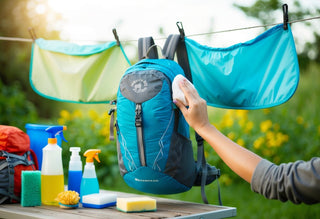
1. Gentle Debris Removal (Pre-Clean)
-
Empty every compartment, including hipbelt and small pouches.
-
Shake out loose debris, grit, and dust.
-
Use a soft brush or damp cloth to wipe off surface dirt (especially around seams and bottom surfaces). ULA’s pack care instructions recommend this as Step 1. ULA Equipment
2. Spot Cleaning & Local Stains
-
Mix mild soap (non-detergent or technical-fabric safe cleaner) with lukewarm water.
-
Use a soft sponge or cloth to lightly dab stains—avoid aggressive scrubbing, especially over laminated layers.
-
Rinse the spot gently with clean water.
-
Blot excess moisture with a dry towel.
Many outdoor gear guides emphasize avoiding harsh chemicals, which can break down coatings. Light Hiking Gear+1
3. Partial or Full Wash (When Needed)
-
Fill a tub or basin with warm water; use a gentle cleaner working within fabric manufacturer guidelines.
-
Submerge the bag, agitate gently to loosen grit.
-
Rinse thoroughly—residual soap or soap film can degrade coatings over time.
-
Never use a washing machine with an agitator or high spin cycle. Many pack care references caution against damaging fabrics. ULA Equipment+2Light Hiking Gear+2
4. Drying Correctly
-
Hang the bag in a shaded, well-ventilated area.
-
Unzip all compartments so air circulates.
-
Avoid direct sunlight or high heat sources (UV and heat degrade fabric coatings and adhesives).
-
Never tumble dry ultralight packs; heat damages materials.
Light Hiking Gear’s care guide warns that sun and humidity can shorten the life of technical fabrics. Light Hiking Gear
Zipper & Hardware Maintenance (H2)

Zippers, buckles, and hardware often outlive fabric failure—but need care.
-
Clean zippers regularly. Dust, sand, and grit in zipper teeth cause friction and misalignment. Rinse gently if needed. Six Moon Designs
-
Use lubricant. Apply a zipper-friendly lubricant (e.g., silicone spray or graphite) to keep sliders smooth.
-
Avoid overstuffing or forcing zips. Don’t stress the zipper track—use both hands when zipping to reduce torque.
-
Inspect buckles and attachments. Check for cracking or wear in frequently stressed areas; replace plastic parts early before failure.
Six Moon Designs emphasizes that caring properly for ultralight zippers is essential for long-term durability. Six Moon Designs
Storage & Long-Term Care (H2)
How you put your bag away matters as much as how you use it.
-
Store unloaded and loosely. Do not compress or fold tight. Let the pack hold its natural shape.
-
Keep in a cool, dry place. Avoid direct sunlight, humidity, or attic/garage extremes.
-
Partially zip closures. This relieves tension on zipper edges and keeps structure.
-
Periodic airing. Let the bag breathe occasionally to avoid stale odors or moisture retention.
Lighthikinggear recommends storing packs loosely and away from sunlight. Light Hiking Gear
Repairing Minor Damage & Field Fixes (H2)
A small patch or stitch today can save your bag from permanent damage tomorrow.
-
Carry lightweight repair kits: thin thread, needles, bondable tape (e.g. Tenacious Tape), patches.
-
For small holes: apply repair tape or patch inside and out.
-
Reinforce worn edges with binding tape or overlay fabric.
-
Reseal delaminated seams using seam sealer or flexible adhesive.
-
Check stress points—strap anchors, hem edges—and reinforce by adding bartacks if necessary.
Gear maintenance checklists like SectionHiker’s emphasize early repair over deferred maintenance. sectionhiker.com
Using & Handling Tips to Minimize Wear (H2)
-
Avoid dragging your pack along rough surfaces.
-
When setting it down, place the bottom face-down only on clean or soft ground.
-
Use internal liners or dry sacks for sharp objects (pens, tools) to prevent shell abrasion.
-
Load heavy items close to the back panel to minimize strain on seams and frame.
-
In urban settings, avoid contact with abrasive concrete edges or metal railings.
Example: Applying Care on GBY Ultra Gear
GBY’s blog on hiking pack longevity mentions care strategies like wiping the pack after hikes and inspecting seams. GBY Ultralight Their approach underscores that even ultralight packs need regular upkeep to maintain top performance.
While I didn’t locate a specific product from GBY via this search, their Ultralight Laptop Day Pack design suggests they use waterproof fabrics, modern zippers, and carefully designed structure. Proper care of such technical materials ensures they last for many seasons.
Key Takeaways
-
Maintenance is part of the minimalist ethos—taking care so gear lasts, rather than replacing frequently.
-
Clean gently, dry smartly, store loosely, and repair early.
-
Zipper and hardware maintenance often extends life more than fabric care.
-
Combine repair readiness and good handling habits to get the most from your ultralight gear.
-
With consistent care, your ultralight bag becomes not a consumable, but a lasting companion.
Ready to support your gear’s longevity as you travel lighter? Explore the GBY Ultra collection of ultralight bags and gear designed with durability and minimalist practices in mind—and carry confidently for many journeys to come.


